Garden rubbish removal Chase Farm and Turkey Street
Posted on 13/07/2026
Garden clear-outs have a funny way of building up quietly. One weekend you cut back a hedge, trim a few branches, and suddenly you've got sacks of green waste, an awkward pile of soil, and a few broken bits of fencing leaning by the shed. If you live in Chase Farm or Turkey Street, garden rubbish removal is often the quickest way to get that mess gone without turning your driveway into a mini skip site for a week. This guide explains how the process works, what to watch for, and how to choose the most practical option for your garden, your time, and your peace of mind.
Whether you're sorting a one-off spring tidy, preparing a property for sale, or clearing the aftermath of a bigger landscaping job, the aim is the same: remove waste safely, keep the job straightforward, and avoid unnecessary faff. Let's face it, nobody wants to spend a Saturday arguing with brambles, rotting bags, and a wheelbarrow that has chosen violence.
For a broader look at local services and how they fit together, you may also find the services overview helpful when comparing options.
Why Garden rubbish removal Chase Farm and Turkey Street Matters
Garden waste is not just "stuff at the back". It can become a safety issue, a nuisance, and in some cases a bit of a neighbourhood eyesore if it lingers too long. In busy residential parts of Enfield, gardens are often small to medium-sized, and waste can pile up faster than you expect once pruning starts. A single overgrown border can create bags of clippings; a neglected corner can hide old plant pots, broken ornaments, and the odd rusty bit of metal fencing.
There's also a practical side. Green waste gets heavy when it's wet. Branches become awkward. Soil is deceptively weighty. If you try to move it all yourself in several car trips, you can end up with a muddy boot, a backache, and a boot liner that will never quite be the same again. Been there, seen that.
For households, landlords, and local property owners, timely clearance helps keep outdoor spaces usable. It also matters if you're preparing for a move, doing end-of-tenancy work, or dealing with a garden that has been left untouched for a while. If you're thinking in wider property terms, local upkeep can play a role in how presentable a home feels, which is one reason people sometimes read practical local articles such as Enfield home buying and selling insights or why buying property in Enfield can be a wise investment.
It also supports better recycling habits. Garden waste is often more suitable for composting or separate processing than mixed household rubbish, so keeping it distinct makes the whole job cleaner from the start. That small bit of sorting can really matter.
How Garden rubbish removal Chase Farm and Turkey Street Works
In simple terms, the process is about collecting, loading, and taking away garden waste from your property, then sorting it for the most appropriate disposal route. A good service should make it easy for you: you point out the waste, the team assesses access and volume, then the clearance happens with minimal disruption.
Here's how it usually works in real life:
- Assessment: You describe the waste or share photos. This helps estimate how much space is needed and whether the job is straightforward or a bit more involved.
- Arrival and access check: The team arrives, checks pathways, garden gates, and any tight spots. In terraced streets or narrow side passages, this step matters more than people think.
- Sorting: Garden waste may be separated from mixed rubbish. Branches, grass cuttings, hedge trimmings, soil, old timber, and planters are often handled differently.
- Loading: Waste is removed from the garden, driveway, or rear access point. Good operators work carefully around lawns, beds, and paving.
- Final sweep: The area is tidied so you're not left with loose clippings, splinters, or stray bits of plastic.
If your job includes bulky items alongside garden waste - say, a broken shed panel, a worn bench, or old fencing - it may overlap with other clearance needs. In that case, related services such as junk removal in Enfield or rubbish clearance in Enfield can be more appropriate than garden-only collection. It depends on the mix. Simple enough, really.
The main thing to remember is that the cleaner and more separated the waste is before collection, the smoother the job usually goes. That's not a dramatic secret, just good practice.
Key Benefits and Practical Advantages
There are several reasons people choose professional garden rubbish removal rather than handling everything themselves. The most obvious is convenience, but there's more to it than that.
- Time saved: You avoid repeated trips to a disposal site and all the loading, unloading, and queueing that goes with it.
- Less physical strain: Heavy bags of soil, branches, turf, and old timber are awkward and can be tiring to move safely.
- Cleaner finish: A proper clearance leaves the garden ready for mowing, planting, repairs, or just sitting out with a tea when the weather behaves.
- Better sorting: Waste can be separated sensibly, which is useful for recycling and responsible disposal.
- Reduced clutter: If you're gardening regularly, a clean space makes it easier to maintain momentum rather than letting debris linger.
There's also the less visible benefit: a tidy outdoor area changes how a property feels. You notice it when you step outside. The space breathes a bit. It looks cared for. That matters if you're hosting, planning work, or simply trying to enjoy the garden without looking at a mountain of cuttings by the fence.
Expert summary: The best garden rubbish removal is not just about "taking stuff away". It's about sorting waste properly, protecting the garden itself, and making sure the end result is genuinely usable again.
If you're comparing broader waste solutions, you may also want to review waste removal in Enfield and garden waste removal in Enfield so you can choose the right fit for the job.
Who This Is For and When It Makes Sense
This service is useful for more people than you might expect. It's not just for major landscaping projects or overgrown gardens that have become a bit of a jungle by August. In Chase Farm and Turkey Street, common use cases include:
- homeowners doing seasonal garden maintenance
- landlords clearing a property between tenancies
- families after tree pruning or hedge cutting
- people preparing a home for sale or photographs
- older residents who need help with the heavy lifting
- small businesses with outdoor areas, planters, or yard waste
- gardeners and tradespeople who want leftovers removed quickly
It makes sense when the waste volume is more than a couple of bin bags but not necessarily enough to justify a full skip. It also makes sense when access is tricky. If a skip would block parking, attract attention, or simply be a hassle in your street, collection can be the neater option.
Another moment where this service is useful: after weather damage. A windy spell can scatter branches, broken pots, and bits of fencing in a way that feels oddly personal. In those cases, a prompt clearance helps restore order fast.
And if you're handling bigger mixed clearances, it can help to understand the wider service landscape first. The builders waste clearance in Enfield page is also worth a look if the garden work is tied to renovation or hard landscaping.
Step-by-Step Guidance
If you want the process to go smoothly, a little preparation goes a long way. You do not need to do everything yourself, but a bit of organisation makes collection easier and often cheaper in practical terms.
- Walk the garden first. Look for the main waste types: clippings, branches, soil, roots, broken pots, timber, old compost bags, or damaged outdoor furniture.
- Separate what can be reused. Some planters, tools, or decorative items may be worth keeping. It's easy to accidentally chuck something useful in with the dead ivy.
- Group similar materials together. Green waste, wood, and general rubbish are easier to assess when they're not all mixed into one mysterious heap.
- Check access points. Make sure gates open fully and paths are clear. Move bikes, bins, or garden toys if they'll get in the way.
- Take a few photos. This helps if you're asking for a quote and lets the team estimate the load more accurately.
- Confirm what will be removed. If you have soil, rubble, or non-garden waste mixed in, mention it early. That avoids awkward surprises on the day.
- Prepare the garden for collection. If there are delicate plants nearby, place them safely out of the working area.
A very common mistake is assuming "garden rubbish" means only leaves and grass. In practice, it can include much more, especially after a full tidy-up. A small shed clear-out often turns into a mixed job. That is normal.
If you want to see how a fast collection service can work in practice around local transport corridors, the article on same-day rubbish removal near Enfield Town Station gives a useful sense of pace and practicality. And for neighbouring routes and local awareness, rubbish removal in EN3 homes and Ponders End High Street offers a similar local perspective.
Expert Tips for Better Results
After enough garden clearances, a few patterns become obvious. The jobs that go well are usually the ones where the waste has been thought about before the team arrives. Nothing fancy. Just sensible habits.
- Cut long branches down first if you can do so safely. Shorter lengths are easier to load and less likely to snag on gates or fences.
- Keep green waste separate from treated wood. Painted or treated timber should not be treated like simple garden cuttings.
- Use tarps or sheets for loose debris. This helps keep soil, leaves, and tiny bits of twig from spreading across paving.
- Book sooner after pruning. Fresh cuttings are lighter and less likely to start rotting or smelling damp.
- Ask about recycling routes. A service with a recycling-minded approach can often divert more material away from landfill.
- Be clear about awkward items. Old sleepers, fencing panels, and large roots can take more effort than a row of sacks, so mention them upfront.
A quick tip from real-world experience: if you've got a big hedge cut, bag the waste as you go rather than leaving it in a single mountain at the end. It feels like extra work at first. Then you realise the pile is less likely to escape across the path in a gust of wind. Handy, that.
For people who care about disposal standards and sustainability, the company's recycling and sustainability information can help set expectations around responsible handling.
Common Mistakes to Avoid
Most garden clearance problems are avoidable. The trouble usually starts when the job is treated as an afterthought. Here are the pitfalls that show up again and again.
- Mixing everything together. Green waste, soil, rubble, and household junk are not always processed in the same way.
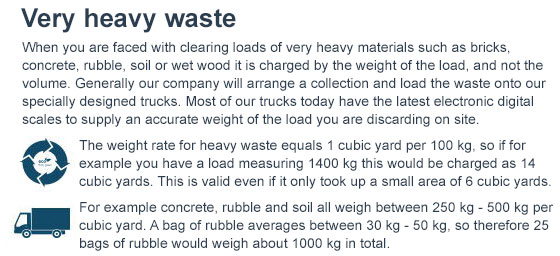
- Underestimating weight. Wet clippings and soil are much heavier than they look. That's how backs complain.
- Blocking access. If waste is piled against a gate or in a narrow side return, the whole job slows down.
- Forgetting hidden waste. Old nets, plastic ties, bits of hose, and broken edging can be buried in the pile.
- Leaving disposal too late. Once garden waste sits around for days, it can become slippery, smelly, and less pleasant to handle.
- Assuming all services are identical. Some are better for light green waste, others for mixed or bulky outdoor clutter.
One slightly mundane but important point: if the garden has a lot of wet soil or dense root balls, mention it. People often forget soil is not "just dirt" when it comes to load weight and disposal planning.
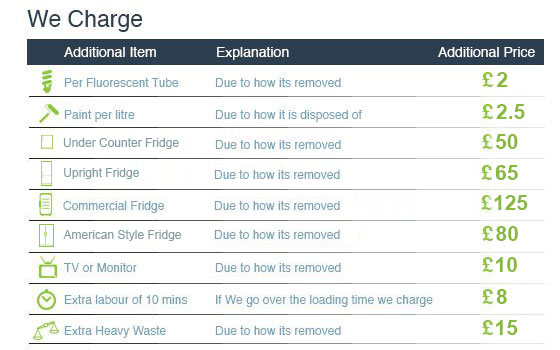
And if you're choosing between a one-off collection and a larger clean-up, checking pricing and quotes early can save a bit of back-and-forth later. Not glamorous, but useful.
Tools, Resources and Recommendations
You do not need specialist gear for every garden clear-out, but the right basic tools make a big difference. If you're preparing the space before collection, these are the most helpful items:
- heavy-duty garden waste bags
- tarpaulins for loose clippings
- work gloves with a decent grip
- pruning shears or loppers for safe trimming
- a broom or leaf rake for final tidying
- basic ties or string for bundling branches
If the waste includes a mix of garden debris and household clutter, a broader collection route may suit you better than a garden-only service. In that case, rubbish collection in Enfield can be a practical option to review.
For heavier, awkward, or unusually bulky bits, it is often better to rely on a team that has the vehicles, lifting approach, and sorting process sorted already. If a job feels like a mini demolition site rather than a tidy-up, the wrong tool at the wrong time only makes the afternoon longer. And nobody needs that.
Some homeowners also keep an eye on related clearances for the rest of the property. If the garden work has grown into a bigger purge, house clearance in Enfield or garage clearance in Enfield may be useful next steps.
Law, Compliance, Standards, or Best Practice
Garden rubbish removal is not the most legally complex part of property maintenance, but it still benefits from proper handling. In the UK, waste should be managed by responsible carriers, and it's sensible to work with a provider that treats sorting, transport, and disposal carefully. That helps reduce the chance of waste ending up where it shouldn't.
Best practice usually includes:
- keeping waste types reasonably separated where practical
- avoiding fly-tipping or informal dumping arrangements
- storing waste safely before collection so it does not block walkways
- handling sharp, heavy, or hazardous items with care
- making sure access routes are clear for safe loading
If you have treated wood, contaminated materials, batteries, paint tins, or anything that seems questionable, it is worth flagging it before collection. Garden waste can be harmless one minute and then surprisingly awkward the next. A good service should be transparent about what can and cannot be taken, and that is where a clear terms and conditions page and insurance and safety guidance are useful for peace of mind.
For customers who prefer to understand how a company handles their data and transactions, the site's privacy policy and payment and security details are sensible reference points too. Not exciting, no, but reassuring.
Options, Methods, or Comparison Table
People usually choose between three main approaches: doing the removal themselves, hiring a skip, or booking a professional collection service. Each can work, but each suits different situations.
| Option | Best for | Pros | Drawbacks |
|---|---|---|---|
| DIY disposal | Very small loads and light clippings | Low upfront cost, full control | Time-consuming, lifting required, multiple trips |
| Skip hire | Larger projects with steady waste output | Useful for ongoing jobs, plenty of capacity | Needs space, can be awkward in tight streets, loading by hand |
| Garden rubbish collection | Fast clear-outs, mixed garden waste, limited access | Quick, convenient, less effort, usually tidier | May cost more than doing it yourself for tiny jobs |
If you are unsure which way to go, the decision often comes down to access and volume. A small, easy-to-reach garden with a few bags? DIY might be fine. A larger tidy-up with branches, soil, and odd bits of fencing? Collection or a combined waste service is usually the calmer choice.
For some readers, skip hire still makes sense. The skip hire Enfield page is useful if you want to compare that style of clearance against a more hands-off collection. Different jobs, different rhythms.
Case Study or Real-World Example
A typical local scenario goes like this. A homeowner in Turkey Street has let the back garden drift for a couple of months while sorting work, family, and one very determined patch of weeds. By the time the weekend arrives, there are hedge clippings, an old stack of broken canes, four bags of soil, and a cracked planter that was probably best left to history.
They start by separating the green waste from the brittle plastic and timber. A few heavier items are moved near the gate. The team arrives, checks the access, and confirms that the waste can be cleared in one visit. The collection is done carefully, without trampling the lawn edges or dragging branches across the patio. Afterward, the garden feels usable again. Not perfect, not magazine-ready, but transformed enough to mow, plant, and sit outside with a cup of tea.
That is the real value of proper garden rubbish removal: not just "clean", but usable. It takes the pressure off. The space stops nagging at you from the window every morning. And honestly, that relief is worth quite a lot.
Practical Checklist
Before booking or preparing a garden clearance, run through this quick checklist:
- Have I separated green waste from general rubbish?
- Do I have any soil, rubble, or treated wood mixed in?
- Is there clear access through gates, paths, or side passages?
- Have I pointed out any bulky or sharp items?
- Do I need the garden cleared for a move, sale, or landscaping work?
- Have I removed anything I want to keep before collection day?
- Have I checked whether a collection, skip, or wider rubbish service suits the job best?
- Am I ready to ask questions about recycling and disposal handling?
If you can tick most of those off, the actual clearance is usually much smoother. Simple checklist, big difference.
Conclusion
Garden rubbish removal in Chase Farm and Turkey Street is one of those services that feels minor until you need it. Then it becomes the thing that gives your garden back to you. Whether you're clearing seasonal cuttings, tidying after landscaping work, or making space before a property move, the right approach saves time, protects your back, and keeps the garden looking cared for.
The best results usually come from a little preparation, a clear idea of what needs removing, and a service that handles waste responsibly. Keep the waste separated where possible, be honest about awkward items, and choose the method that fits the job rather than the one that seems cheapest on paper. That's usually where the real value is.
Get a free quote today and see how much you can save.
And if all you do this week is clear one stubborn corner of the garden, that's still progress. Sometimes that's enough to make the whole place feel lighter.


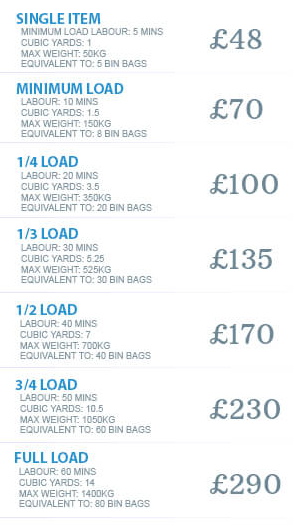
 Tipper Van - Rubbish Removal and Waste Clearance Prices in Enfield, EN1
 Luton Van - Rubbish Removal and Waste Clearance Prices in Enfield, EN1