Rubbish removal EN3 homes Ponders End High Street
Posted on 30/06/2026
If you live near Ponders End High Street, rubbish has a funny habit of building up faster than you expect. One chair becomes two. A hallway box pile becomes a small obstacle course. And before long, you are wondering how to clear it all without turning your weekend into a moving-day headache. That is where Rubbish removal EN3 homes Ponders End High Street comes in: a practical, local way to get bulky, awkward, and mixed household waste taken away without the stress.
In this guide, we will look at how rubbish removal works for EN3 homes, what to expect, what to avoid, and how to choose the right approach for your property. Whether you are decluttering a flat, clearing a garden, dealing with old furniture, or sorting post-renovation mess, the goal is the same: a cleaner home and a simpler day. Sounds obvious, but that's often the bit people miss.
Why Rubbish removal EN3 homes Ponders End High Street Matters
Ponders End High Street sits in a busy part of EN3, and that matters more than people think. Homes here can range from compact flats to family properties with limited storage, shared access, or narrow front areas. So when waste starts stacking up, it can quickly become more than a tidy-up problem. It affects comfort, safety, access, and even how your home feels day to day.
For many households, rubbish removal is not just about getting rid of clutter. It is about restoring usable space. A packed spare room stops being a spare room. A crowded hallway makes life awkward. A garden full of broken fencing and old bags stops being a garden. Real life, basically.
There is also the local side of it. In busier streets, timing and access matter. A quick, efficient collection can reduce disruption for neighbours and make the whole process feel far less intrusive. If you have ever tried to shift a broken wardrobe out through a tight entrance at 7:30 on a wet morning, you will know exactly what I mean.
Used well, rubbish removal supports a calmer home environment, better organisation, and a safer way to handle heavy or awkward items. It is also useful when you are preparing a property for sale, letting, refurbishment, or a seasonal clear-out. If that sounds like your situation, the broader services overview is a sensible place to understand the full range of clearance options available.
How Rubbish removal EN3 homes Ponders End High Street Works
At its simplest, rubbish removal is a collection-and-disposal service for unwanted household items, general waste, and bulky objects that are awkward to move or not suitable for normal bin collections. The process is usually straightforward, but there are a few details worth understanding before you book anything.
First, you identify what needs clearing. That could include furniture, broken appliances, bags of mixed waste, garden debris, loft clutter, or leftover renovation materials. Then you normally describe the load, either with photos or a short list, so the collection can be planned properly. Good planning matters because a sofa, a pile of flat-pack packaging, and a few rubble sacks are all very different jobs.
Next comes access. For EN3 homes, this can mean checking where vehicles can stop, whether items need to be carried through the house, and if there are stairs, shared entrances, or tight front paths. It is one of those unglamorous but important parts of the job. Not exciting, but essential.
After that, the waste is loaded, sorted where necessary, and taken away. Responsible operators will try to separate recyclable materials from general rubbish and dispose of items in a sensible, lawful way. If you are especially focused on reducing waste, it is worth reading about recycling and sustainability so you can make better choices from the start.
In many cases, homeowners choose rubbish removal instead of hiring a skip because it is faster, more convenient, and less disruptive in a busy residential street. That said, a skip can still be useful for larger projects. We will compare the options later on.
Key Benefits and Practical Advantages
The biggest advantage is simple: you get your space back without spending your whole day lifting, loading, and figuring out where everything should go. But the value goes a bit deeper than that.
- Speed: A proper collection can clear space in one visit rather than dragging the mess out over several weekends.
- Less physical strain: Heavy lifting is where people hurt backs, fingers, and pride. It happens.
- Cleaner access: Hallways, drives, and shared paths stay more manageable, which matters on a busy street.
- Better organisation: Once the waste is gone, the remaining items are easier to sort properly.
- Safer handling: Broken glass, splintered timber, old metal, and damp waste are much easier to deal with when you are not rushed.
- More suitable for mixed loads: Household rubbish, furniture, and odd bits can often be removed together rather than split across several trips.
There is also a hidden benefit that people often notice only after the job is done. A cleared room changes how the rest of the house feels. Suddenly, the light comes in better. The place seems quieter. You stop seeing "the pile" every time you walk past. That little mental lift is real, even if nobody puts it on a quote sheet.
If the job is tied to a bigger life change, such as moving home or preparing a property for market, it can help to read the related local insight in Enfield home buying and selling. It gives a useful sense of why presentation and timing matter in practical terms.
Who This Is For and When It Makes Sense
This kind of service suits a lot of people, not just those doing a full house clearance. In EN3, the most common situations are surprisingly ordinary.
- Homeowners dealing with clutter after years of storage build-up
- Tenants moving out and needing a final clear-out
- Landlords preparing a property between occupancies
- Families clearing an inherited home or a relative's belongings
- People tackling a loft, garage, shed, or spare room
- Households doing a garden refresh or spring tidy-up
- Anyone finishing DIY work and left with awkward debris
It also makes sense when the job is bigger than your bin capacity but not necessarily big enough to justify a skip. That is a common sweet spot. For example, if you have a sofa, a mattress, several bags of waste, and a dismantled wardrobe, a collection service is often the least painful route.
Sometimes the decision is emotional rather than practical. A loft full of old boxes can represent years of unfinished sorting. A garage becomes the place where "I'll deal with that later" objects go to live forever. Clearing it can be oddly satisfying. A bit like finally finding the bottom of a kitchen drawer.
Step-by-Step Guidance
If you want the smoothest possible rubbish removal experience, a little structure helps. Here is a practical way to approach it.
- Walk through the property carefully. Note what needs to go, and separate obvious keep, donate, recycle, and remove piles.
- Photograph the waste from a few angles. This helps with estimating load size and spotting access issues.
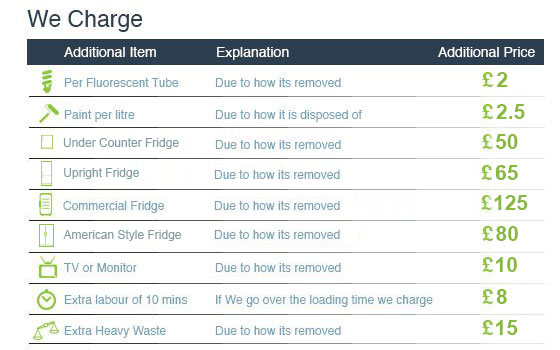
- Check whether anything is restricted. Some items need special handling, especially electricals, paint, chemicals, or sharp materials.
- Measure bulky items if needed. A sofa that barely fits round a stair bend can change the whole plan.
- Decide whether you need part-load or full clearance. The smaller option may be enough, and often that is the smarter call.
- Book a suitable time slot. For homes near a busy high street, consider parking and access at different times of day.
- Keep pathways clear before collection. It sounds obvious, but a tidy route speeds everything up.
- Do a final check after removal. Look behind doors, under stairs, and in cupboards. Left-behind items happen more than you'd think.
One small tip that saves a lot of hassle: if you are unsure whether an item should be removed, leave it aside until the last minute. It is easier to decide with a clear head than in the middle of a rush.
For broader waste jobs that include mixed household and trade-style material, the dedicated waste removal in Enfield page is a helpful next stop, especially if your load is not a neat one-category job.
Expert Tips for Better Results
After years of seeing clear-outs go smoothly or badly, a few patterns stand out. None of these are dramatic. They are just the little things that make a real difference.
Tip 1: Sort before you lift. If you start moving everything first, you usually end up with two problems instead of one. Put keep, donate, recycle, and remove into separate groups as early as possible.
Tip 2: Don't underestimate access. A narrow staircase or awkward frontage can be more significant than the amount of waste itself. Measure first if the items are large, and be honest about the route through the property.
Tip 3: Keep fragile items and sharp items apart. Mixed bags are efficient, yes, but broken glass hidden in a black sack is nobody's friend.
Tip 4: Think in zones. Clear one room, one corner, or one type of item at a time. The process feels less overwhelming and you see progress much faster.
Tip 5: Be realistic about time. A cluttered loft or garage can take longer than expected, especially if everything needs checking. That is normal. Don't schedule the removal for the exact minute you need to leave for something else.
Truth be told, the best clear-outs are rarely the fanciest ones. They are the ones where the homeowner has done a little pre-sorting and the access is clearly explained. Simple, calm, done.
If your project includes old furniture, have a look at furniture disposal in Enfield so you can decide whether your items should be treated as stand-alone bulky waste or as part of a mixed clearance.
Common Mistakes to Avoid
Most problems with rubbish removal are avoidable, which is the good news. The bad news is that the same few mistakes keep cropping up.
- Not checking item types in advance: If you mix ordinary rubbish with restricted materials, the job can become more complicated than expected.
- Forgetting access constraints: Parking, stairs, and shared pathways all matter.
- Leaving sorting until collection day: This often slows the work and increases stress.
- Assuming everything can be dumped together: Some materials need separate handling or careful segregation.
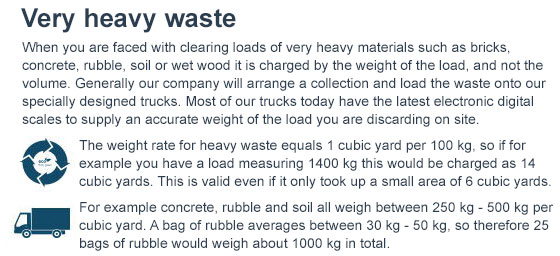
- Underestimating volume: A pile that looks small from one angle can be much larger when packed into a vehicle.
- Ignoring neighbours or shared spaces: On a busy street, being considerate is not just polite; it keeps things smoother for everyone.
There is also a common emotional mistake: waiting until the space feels "bad enough" before doing anything. That threshold tends to move. By the time you feel annoyed every time you open the door, the clear-out has already become harder than it needed to be.
For larger projects such as lofts, garages, or outbuildings, this is where more targeted services can be useful. A room-by-room approach often beats one giant panic session. Honestly, much better for your blood pressure.
Tools, Resources and Recommendations
You do not need much special equipment for a domestic rubbish removal, but a few practical tools make the process easier.
- Heavy-duty bin bags: Useful for soft waste, old textiles, and smaller mixed items.
- Gloves: A simple safety essential when handling rough, dusty, or sharp waste.
- Marker pens and labels: Helpful for sorting keep, donate, and remove piles.
- Basic tape measure: Vital for bulky items and narrow access points.
- Trolley or sack truck: Handy if you are moving heavier items within the property.
- Dust sheets or old blankets: Good for protecting walls and floors during movement.
On the planning side, it helps to keep a simple note of what is going out. That way, if anything needs to be queried later, you are not relying on memory. Memory is wonderfully optimistic and often slightly wrong.
If you are considering a broader clear-out, these service pages may help you choose the right route: house clearance in Enfield, garage clearance, and loft clearance. Each suits a different sort of job, and picking the right one saves time.
Law, Compliance, Standards, or Best Practice
For household rubbish, the main concern is making sure waste is handled responsibly and taken to a legitimate disposal route. You do not need to become a waste expert, but a little awareness is useful.
As a homeowner or tenant, it is sensible to avoid leaving waste in communal areas, blocking access, or setting out items in a way that creates hazards. For example, broken glass should be contained, and heavy items should not be stacked precariously in corridors or driveways.
Where electrical items, paint, batteries, sharp metal, or other potentially troublesome materials are involved, best practice is to flag them early. That gives the collection team time to plan properly. It also reduces the chance of items being handled in the wrong way. No one wants to improvise with a leaking tin of paint or a box of old wires.
Responsible operators should also take care with recycling, segregation, and safe loading. If you want reassurance about how a company approaches this side of the work, the pages on insurance and safety and recycling and sustainability are worth a look. They help you understand the standards behind a tidy-looking collection.
A final practical note: if a job involves builders' debris, mixed rubble, or renovation waste, it is usually better to treat it as a different category from ordinary household clutter. The dedicated builders' waste clearance in Enfield page covers that type of project more closely.
Options, Methods, or Comparison Table
People in EN3 usually compare three main approaches: a man-and-van style rubbish collection, a skip, or a full clearance service. The right one depends on volume, access, and how much sorting you want to do yourself.
| Option | Best for | Pros | Watch out for |
|---|---|---|---|
| Rubbish collection | Mixed household waste, bulky items, quick clear-outs | Fast, convenient, less lifting for you | Needs clear access and a sensible description of the load |
| Skip hire | DIY, longer projects, ongoing filling over several days | Useful if you want time to load gradually | Requires space, permits may be relevant, and you do the loading |
| House clearance | Whole-property or substantial room-by-room clearances | Good for larger domestic projects and more structured sorting | Can take more planning if you want to keep some items |
For many Ponders End homes, rubbish collection is the most practical middle ground. It is often the least disruptive, especially where parking and access are tight. But if you are clearing a lot of material over several days, skip hire may suit better. There is no single right answer, which is a bit annoying, but also useful because it gives you choice.
If you are weighing those options, you can compare with skip hire in Enfield and rubbish collection in Enfield to see which style matches your job.
Case Study or Real-World Example
Imagine a typical EN3 home near Ponders End High Street: a family has just finished a long weekend of sorting out a spare room and part of the loft. They have an old armchair, several black bags, a dismantled desk, some broken shelving, and a few boxes of mixed bits they no longer need. Nothing dangerous, but plenty awkward.
At first, they think they can do it all themselves. Then the first reality check arrives: the chair is bulkier than expected, the stairs are narrow, and the hallway is not made for carrying a desk past a shoe rack and a bicycle. The whole thing starts to feel bigger than the actual waste pile.
So they break the job into two parts. They sort out anything they want to keep, set aside paperwork and sentimental items, and group the removal items near the front of the house. They take a few photos, note the access route, and arrange a collection. On the day, the items are carried out in a single organised run rather than a dozen rushed trips. Done before lunch. Nice, and the room suddenly feels useful again.
That is really the pattern with most domestic rubbish removal jobs: not dramatic, not complicated, just easier when handled properly. If the property is being prepared for sale or a fresh start, the timing can be especially valuable. For more local context, you may also find buying property in Enfield a wise investment and is Enfield a great place to reside helpful from a lifestyle perspective.
Practical Checklist
Use this quick checklist before you book or start loading anything. It keeps the job tidy and avoids the usual last-minute muddle.
- Have you listed everything that needs to go?
- Have you separated keep, donate, recycle, and remove piles?
- Have you checked for bulky or awkward items that need special attention?
- Have you considered stairs, parking, and front access?
- Have you photographed the load from more than one angle?
- Have you identified any restricted or sensitive items?
- Is the pathway to the waste area clear?
- Do you know whether a collection, clearance, or skip would suit better?
- Have you checked what furniture or room contents you may still want to keep?
- Are you clear on the time window so you are not rushing the handover?
If you can tick most of these off, you are already ahead of the game.
Conclusion
Rubbish removal EN3 homes Ponders End High Street is really about making domestic life easier. For some households, that means clearing a single sofa and a stack of bags. For others, it means emptying a loft, sorting a garage, or preparing a property for the next stage. Either way, the process is simpler when you plan a little, sort sensibly, and choose the method that suits the space.
The best results tend to come from straightforward thinking: know what you have, understand the access, and pick a service that fits the job rather than forcing the job into the wrong service. Simple advice, yes. But useful. Especially when the hallway is full and you are trying to keep calm.
Get a free quote today and see how much you can save.
And if you are still weighing up your options, take the next step with confidence. A cleaner home has a way of making everything else feel a little more manageable, which is no small thing.



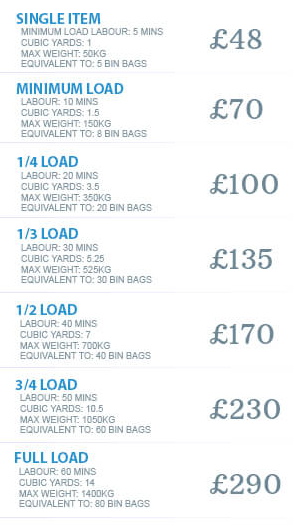
 Tipper Van - Rubbish Removal and Waste Clearance Prices in Enfield, EN1
 Luton Van - Rubbish Removal and Waste Clearance Prices in Enfield, EN1