What to know about access problems for Enfield waste removal
Posted on 24/08/2026
If you are planning a clearance in Enfield, access can make the whole job feel easier than expected or awkward in a way that catches people out. Tight side passages, narrow front gardens, basement steps, shared hallways, parking restrictions, and the classic "where exactly can the van stop?" question all affect how waste removal is carried out. This guide on What to know about access problems for Enfield waste removal explains the common issues, why they matter, and how to plan around them without stress. A bit of preparation goes a long way, honestly.
Whether you are clearing a flat near a busy road, dealing with a house full of bulky items, or arranging a same-day clearance after a move, the key is simple: make access information clear before the team arrives. That helps with timing, safety, pricing, and the final result. And yes, it can save you from the small but annoying surprises that waste no one's time better than they waste your own.
Why access problems matter
Access sounds like a small operational detail, but in waste removal it can shape almost everything. If a team cannot park close enough, cannot move items through the property safely, or has to spend extra time navigating stairs and tight corridors, the job becomes slower and more labour-heavy. That can affect scheduling, cost, and the type of vehicle or crew needed.
In practical terms, access problems matter because waste removal is not just about collecting rubbish from the kerb. It often involves carrying heavy, awkward, or dirty items from inside the property to the vehicle. A fridge through a narrow hallway. A wardrobe down twisting stairs. A garden bag through a shared passage with a low gate. You get the idea.
For Enfield homes and businesses, this is especially relevant because the area includes a mix of older terraced streets, maisonettes, flats above shops, newer developments, and larger properties with awkward rear access. Not every property gives you that easy straight-line route from front door to van. Far from it.
When access is not assessed properly, the result can be delays, additional labour, limited vehicle options, or even a job that has to be rescheduled. That is frustrating for everyone, and it is the sort of frustration that is easiest to avoid with a bit of planning.
How access issues affect waste removal
Most professional waste removal services work by matching the right crew and vehicle to the property layout. If access is straightforward, the process is usually simple: arrival, assessment, removal, loading, sweep-up, done. When access is complicated, the operation changes a little.
Here is what the team usually needs to know in advance:
- How close the vehicle can park to the property
- Whether there are steps, steep driveways, or narrow hallways
- Whether items need to be carried through the house or through a side or rear route
- Whether there are gates, locked entrances, or entry codes
- Whether the waste is in a loft, basement, garage, or outbuilding
- Whether the access route is shared with neighbours or businesses
The point is not to make the job sound complicated. It is more about avoiding mismatch. A van parked too far away means more carrying. More carrying means more time, more effort, and sometimes a different loading plan. If the waste is particularly bulky, access can determine whether the team can remove it safely at all without dismantling it first.
For example, a sofa that clears a front room doorway may still be awkward on a narrow staircase. A pile of builders waste may be easy to lift but difficult to move through a long rear alley with poor lighting. These are small things on paper, yet they matter on the day.
If you already know access is likely to be tricky, it helps to look at services designed for more involved clearances such as house clearance in Enfield or office clearance for tighter commercial spaces. Different jobs need different planning. That is just reality.
Key benefits and practical advantages
Good access planning does more than prevent headaches. It improves the whole experience from first call to final sweep.
| Benefit | What it means in practice | Why it helps |
|---|---|---|
| Faster collection | The crew can park and carry waste efficiently | Less time on site and less disruption |
| More accurate pricing | The team can estimate labour and vehicle needs properly | Fewer unexpected cost changes |
| Safer handling | Items can be moved with the right route and equipment | Lower risk of damage or injury |
| Better vehicle choice | Access details help decide if a van, larger crew, or staged loading is needed | The job is matched to the property, not guessed |
| Less stress on the day | Everyone knows what to expect before arrival | Clearer communication, fewer surprises |
There is also a quieter benefit that people tend to appreciate after the job is done: the property is less likely to suffer scuffs, dents, or accidental knocks. When waste has to be carried through tight spaces, good planning protects doors, banisters, floors, and neighbour relationships too. And let's face it, neighbour relationships are worth protecting.
If you want to understand how access fits into a wider service range, it can help to look at the full services overview. It gives a better sense of how different clearance types are approached depending on access, volume, and waste type.
Who this is for and when it makes sense
This topic matters to more people than you might think. Access problems are not just a skip-hire issue or a builder's headache. They show up in everyday household jobs, commercial clean-outs, garden clearances, and even those "we just need this gone today" moments.
You will probably find this especially useful if you are:
- Clearing a flat, maisonette, or top-floor property with stairs
- Dealing with a narrow driveway or no driveway at all
- Managing a house move with bulky furniture to remove
- Arranging garage, loft, or cellar clearance
- Handling waste from a refurbishment or building project
- Running an office or shop with limited loading access
- Living on a busy road where parking is a bit of a headache
It also makes sense if you have items that are simply hard to move, even when access is decent. Sofas, wardrobes, mattresses, white goods, garden waste, broken shelving, and mixed junk all become more cumbersome when the route in and out is cramped. Sometimes the access is fine and the item is the problem. Usually both, to be fair.
In some situations, a specialist service is the better fit. For example, if the main issue is bulky furniture through a tricky property, furniture disposal in Enfield may be the most efficient route. If the issue is clutter in a loft or upper floor, loft clearance can be the more sensible option.
Step-by-step guidance
If you want a smoother waste removal appointment, a little structure helps. Not much. Just enough to turn "we'll sort it on the day" into a plan that actually works.
- Walk the access route yourself. Start at the vehicle's likely parking point and walk the path to the waste. Notice low walls, steps, narrow gates, fragile surfaces, awkward bends, and any points where two people cannot pass comfortably.
- Measure the awkward bits. You do not need a surveyor's clipboard. A quick check of doorway width, stair width, gate openings, or lift size is often enough to spot problems early.
- Be honest about parking. If the van cannot stop right outside, say so. If parking is usually busy around school run time or midday, mention that too.
- Flag special obstacles. Shared entrances, key fobs, restricted loading bays, long garden paths, basement steps, or locked courtyards all belong in the brief.
- Separate the waste if you can. Grouping items by room or type makes loading much easier. It also helps with sorting recyclable material from general junk.
- Send photos where useful. A few clear pictures of the access route, waste pile, and entrance points can be surprisingly helpful. No need for a photo shoot. Just practical shots.
- Agree the plan before arrival. Confirm the collection method, estimated labour, and anything that could affect timing. Better to sort that out now than while everyone is standing in the hallway.
That is the simple version. And in most real jobs, simple is enough. The smoother the route, the less chance of delay.
Expert tips for better results
After many clearances, a few patterns become obvious. Access problems are rarely about one dramatic obstacle. More often, it is a chain of small things that add up. A parked car. A heavy door that sticks. A gate that only opens halfway. A flight of stairs with a tight turn. One of these on its own is manageable. Together, they slow everything down.
Here are a few practical tips that tend to make a real difference:
- Clear the route the night before. Move plant pots, bikes, bins, shoes, and loose clutter out of the way.
- Leave gates unlocked if safe to do so. Access delays often happen because someone has to be found for a key or code.
- Protect floors and corners. Cardboard, sheets, or temporary floor protection can help in older properties or freshly decorated rooms.
- Think about timing. School runs, market traffic, bin day, and commuter peaks can all affect parking and loading in Enfield.
- Match the job to the property. A full house clearance is not the same as a quick rubbish collection. The access needs are different.
One thing people often overlook is lighting. A rear alley might look fine in daylight and then feel like a completely different place at 8 p.m. in November. If the work could run late or start before sunrise, mention it. Small detail, big difference.
If your clearance involves outdoor waste or overgrown areas, it can help to check related services such as garden waste removal in Enfield. For larger renovation jobs, builders waste clearance is often the better fit, especially when access and heavy debris both need careful handling.

Common mistakes to avoid
Most access problems are avoidable, but only if you catch them early. Here are the mistakes that create the most friction:
- Assuming the crew will "just manage". Sometimes they can. Sometimes they really cannot, not safely anyway.
- Forgetting about parking restrictions. Even a short loading delay can change the pace of the job.
- Underestimating staircases. A narrow or winding staircase is often the real challenge, not the weight of the item.
- Hiding difficult access details. It might feel minor, but it can affect the quote and the planning.
- Leaving waste spread across multiple rooms. That creates more carrying time and more chances to bump into walls or furniture.
- Not checking shared access rules. Flats and managed buildings often have entry rules, lift bookings, or loading limitations.
There is also a softer mistake: treating access like a problem that needs to be "fixed" before you call anyone. It does not always need fixing. Often it just needs describing properly. That alone makes a huge difference.
For people comparing prices, it is smart to read about avoiding hidden fees in Enfield rubbish removal quotes. Access-related labour and parking issues are exactly the sort of thing that should be clarified upfront.
Tools, resources and recommendations
You do not need specialist equipment for every job, but a few practical tools can make access planning easier. A tape measure is the obvious one. A phone camera is another. Sometimes a torch is the most useful thing in the house, especially for lofts, cellars, and rear passages that never get enough daylight.
Here are some useful things to have to hand:
- Tape measure for doors, gates, and staircase pinch points
- Phone photos or short videos of the access route and waste location
- Simple floor protection for hallways or freshly finished surfaces
- Bins or sacks for smaller loose waste to reduce trips
- Contact details for building management if the property has shared entry rules
If you are dealing with a move, a sale, or a property refresh, it can also be useful to read more about local home transitions. For example, Enfield home buying and selling often involves quick clear-outs and awkward timing, while same-day rubbish removal near Enfield Town Station shows why timing and access can matter so much in busier parts of the area.
And if you are just at the research stage, the pricing and quotes page is a sensible place to start asking questions about access, labour, and what is included.
Law, compliance, standards, or best practice
With waste removal, access planning is not only about convenience. It also ties into safety, proper handling, and responsible disposal practices. In the UK, waste must be handled by an appropriate operator, and the collection process should not put people, property, or the public at unnecessary risk. That is the broad principle, and it is the one that matters day to day.
From a best-practice point of view, access should be assessed so that waste can be moved without causing avoidable damage or obstruction. If a property has shared entrances, public pavements, controlled parking, or access through communal spaces, the collection should be planned carefully to reduce disruption. That is especially true for block entries and commercial premises where other users need the route kept clear.
Insurance is another sensible consideration. A professional operator should be clear about how they approach safety and what happens if there is accidental damage. If you are comparing providers, the insurance and safety information can help you understand the standard you should expect.
It is also good practice to be transparent about waste type. Mixed waste, bulky furniture, electrical items, and construction debris can require different handling. That is not bureaucracy for the sake of it. It is what helps keep the job orderly and safe.
For people who care about waste routing and responsible disposal, the recycling and sustainability approach is worth reviewing alongside your access planning. Good logistics and better environmental outcomes often go hand in hand.
Options, methods, or comparison table
There is no single best way to handle access problems. The right method depends on the layout, the amount of waste, and how quickly you need it gone. Here is a practical comparison.
| Method | Best for | Strengths | Limitations |
|---|---|---|---|
| Manual carry from inside the property | Small to medium clearances with manageable stairs or corridors | Flexible and suitable for many homes | Slower if access is tight or waste is bulky |
| Kerbside or near-vehicle loading | Properties with decent frontage or easy external access | Efficient and straightforward | Depends heavily on parking and weather |
| Staged clearance from multiple rooms | Larger homes, offices, or awkward layouts | Organised and safer for mixed waste | Needs more planning and space |
| Specialist bulky-item removal | Sofas, wardrobes, white goods, or other hard-to-move items | Better for awkward dimensions | May need more labour or disassembly |
| Skip hire | Projects with ongoing waste over several days | Useful for phased clear-outs and renovations | Needs suitable placement and access for delivery |
If you are unsure which route suits your situation, it can be helpful to compare a full clearance service with a more specific option like skip hire in Enfield or rubbish collection in Enfield. The best choice often comes down to whether access is tight, the waste is ready to go, and how much control you want over the timing.
Case study or real-world example
Imagine a first-floor flat in a converted house off a busy Enfield street. The waste is mostly old furniture, some bagged clutter, and a broken chest of drawers. On paper, not a big job. In reality, there is a narrow staircase, a front door that opens into a small hallway, and parking that disappears quickly in the afternoon.
The difference between a smooth removal and a stressful one comes down to the access details. If the team knows in advance that parking is limited, they can plan arrival better. If they know the staircase is tight, they can bring the right number of people. If they know a wardrobe may need dismantling, they can allow time for that rather than wrestling with it and hoping for the best. We have all seen how that ends. Usually badly.
In a case like this, a quick pre-visit photo set or a short call is enough to confirm what will happen. The result is not dramatic. That is the point. The job starts on time, the hallway stays intact, and the customer is not left wondering why a "small" clearance took half the day.
By contrast, a rear-garden clearance in a property around Chase Farm or Turkey Street may have entirely different challenges: long carrying distance, uneven ground, and access through a side path that is technically usable but not exactly generous. That sort of scenario is why local detail matters. If you are dealing with outside waste, garden rubbish removal in Chase Farm and Turkey Street is a useful example of how location and layout shape the work.
Practical checklist
Use this quick checklist before your collection. It is simple, but it works.
- Have I checked the full route from waste to vehicle?
- Do I know where the vehicle can park?
- Have I measured any narrow doors, gates, or stairs?
- Are there codes, keys, or building rules to arrange?
- Have I warned the team about steep steps, long carries, or shared access?
- Have I separated items that need special handling?
- Have I cleared loose obstacles from the route?
- Have I shared photos if the access is unusual?
- Do I know whether the job is rubbish removal, furniture disposal, loft clearance, or something broader?
- Have I confirmed the plan and any likely delays before the day?
If you can tick most of those off, you are already ahead of the game. Not by a little either.
Get a free quote today and see how much you can save.
Conclusion
Access problems for waste removal in Enfield are common, but they do not need to become a drama. The main thing is to treat access as part of the job description, not a side note. Once you do that, everything becomes easier: quoting is clearer, the work is safer, and the collection is more likely to finish without hassle.
Whether you are clearing a flat, a family home, a shop, a loft, or a garden, the same principle applies. Describe the route properly, check the tight spots, and plan for the awkward bits before anyone lifts a single item. That little bit of preparation is often what separates a rushed job from a calm one.
If you are making decisions about removal, property, or moving house in the area, it may also help to explore more local insights such as buying property in Enfield and why Enfield is often seen as a hidden gem. Different topics, sure, but they all feed into the same real-life picture of living and working well here.
In the end, a smooth clearance is rarely luck. It is just good preparation, a clear route, and a team that knows what to expect. That is a reassuring thing, really.



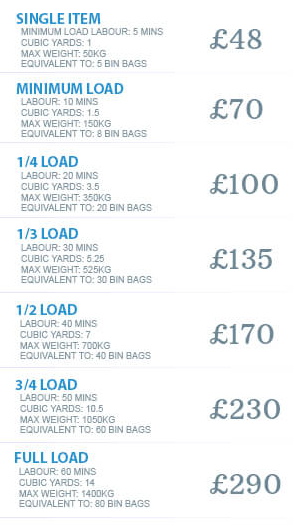
 Tipper Van - Rubbish Removal and Waste Clearance Prices in Enfield, EN1
 Luton Van - Rubbish Removal and Waste Clearance Prices in Enfield, EN1